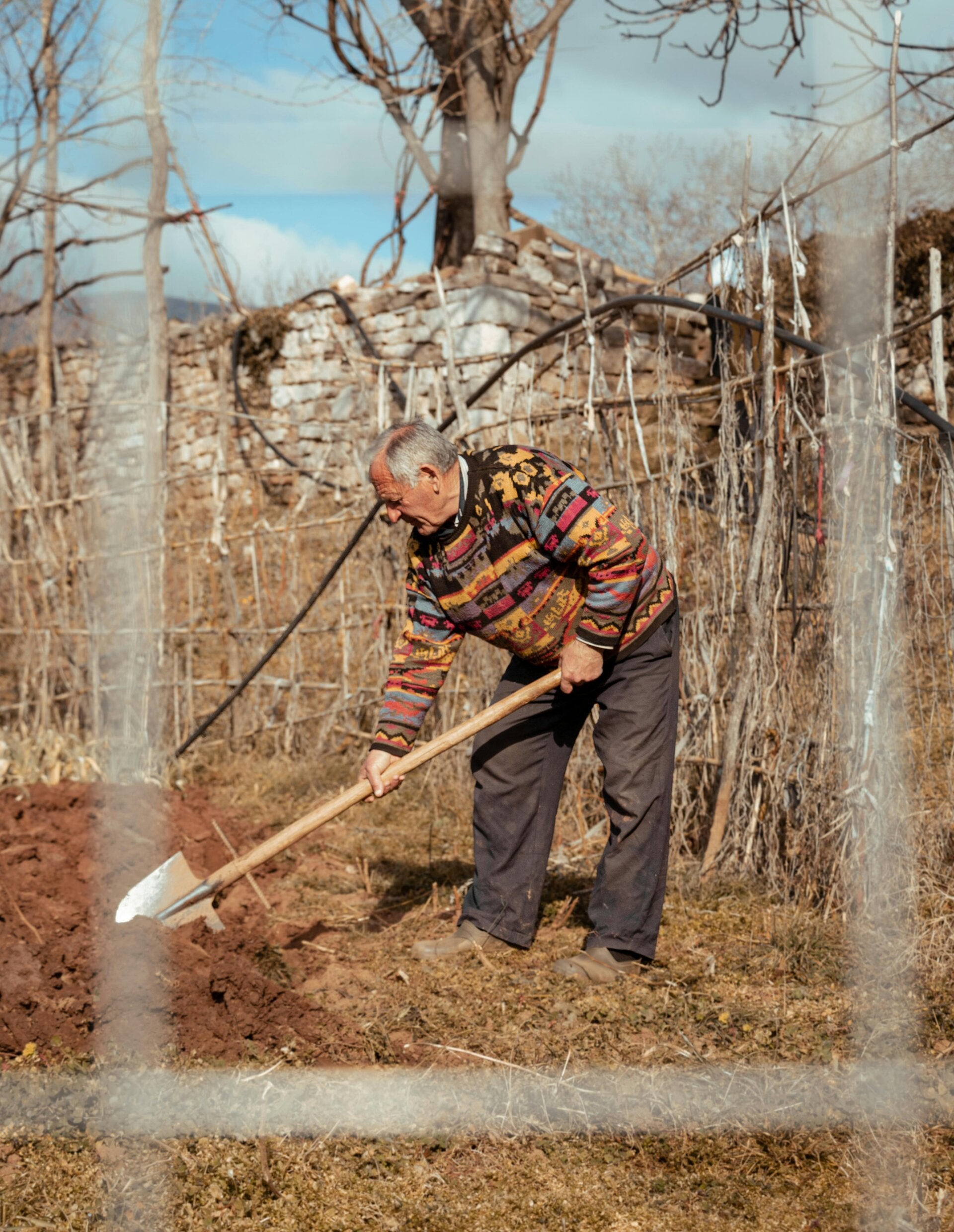
The Autumn Shift: What Gardeners Contemplate as Summer Fades to Gold
There is a distinct crispness that sneaks into the morning air, a subtle shift that whispers the vibrant chaos of summer is gently giving way to the rich, earthy stillness of autumn. For those who keep their hands in the soil, this seasonal transition is much more than a change in the weather; it is a profound psychological and emotional shift. As the chlorophyll fades from green leaves to brilliant shades of amber, crimson, and gold, gardeners find themselves standing at a crossroads of reflection and preparation.
The Great Contemplation: Lessons from the Growing Season
When summer turns to fall, the garden invites us to pause and evaluate. Long gone are the frantic, sun-drenched days of June, when watering schedules ruled our mornings and weed suppression felt like a relentless full-time job. Autumn offers a quiet, contemplative space to take stock of our successes and our missteps.
- The Triumphs and Tribulations: Every gardener knows the sting of a failed crop alongside the absolute triumph of an abundant harvest. Did the heirloom tomatoes succumb to blight, or did the zucchini overflow your kitchen counter?
- Ecosystem Observations: Notice which pollinators visited most frequently. Which companion planting strategies successfully kept pests at bay, and which garden beds suffered from poor sunlight?
- The Pace of Patience: Nature teaches us that growth cannot be rushed. The slowing of the garden reminds us to slow our own internal clocks, transitioning from active exertion to observation.
"To plant a garden is to believe in tomorrow." — Audrey Hepburn
This sentiment resonates deeply in autumn. Contemplating the fading garden is never just about looking backward—it is the foundational step toward envisioning what next spring will bring.
Putting the Garden to Bed: Practical Steps for Autumn
Transitioning from the active growing season to winter dormancy requires both care and intentionality. Far from abandoning the outdoor space, autumn is a season of stewardship. Here is how modern gardeners prepare their plots for the long winter nap:
Soil Nourishment and Mulching
Healthy soil is the heartbeat of any thriving landscape. Once beds are cleared of spent summer annuals and exhausted vegetable plants, layer the earth with a generous blanket of organic compost and shredded leaves. This protects delicate microorganisms from freezing temperatures, suppresses winter weeds, and enriches the soil structure for next year's planting.
Planting Spring-Blooming Bulbs
There is a special kind of optimism in burying tulip, daffodil, and crocus bulbs in the chilly October soil. Knowing that these unassuming bulbs will brave the frozen earth and burst forth when the snow melts is a comforting ritual that connects us to the future.
Safeguarding Perennials and Tender Plants
Cut back dead foliage on perennials that are susceptible to disease or pests, but leave seed heads like coneflowers and black-eyed Susans intact to provide crucial winter forage for local birds. Tender perennials, such as geraniums or potted herbs, must be brought indoors before the first hard frost.
Tool Maintenance and Irrigation Care
Drain garden hoses, shut off outdoor spigots to prevent freezing pipes, and take time to clean, sharpen, and oil your pruners and shovels. A well-maintained tool is a joy to pick up when spring finally returns.
Cozying In: Embracing the Indoor Sanctuary
As daylight wanes and evening temperatures plummet, the garden gate swings shut, and our focus shifts inward. Cozying up for winter is an art form cherished by every dedicated grower.
-
- The Indoor Jungle: Transitioning outdoor containers inside or propagating cuttings allows you to keep a piece of the living green world close by your windowsill. Caring for houseplants provides a gentle connection to nature during the bleakest winter weeks.
- Seed Catalog Dreaming: Long winter nights are made for poring over seed catalogs, mapping out crop rotations, and experimenting with brand-new flower and vegetable varieties from the comfort of an armchair.
- Culinary Comforts: Enjoying herbal teas and broths brewed from summer harvest reserves—like dried mint, lemon balm, sage, and garlic—brings the garden's bounty full circle, warming both body and spirit.
Looking Forward to the Restful Silence
Winter is not the end of the garden's life cycle; it is its vital, restorative sleep. Just as plants require a period of dormancy to store energy for explosive spring growth, we too need the quiet months to rest, read, dream, and recharge.
So, wrap yourself in a warm blanket, pour a steaming mug of tea, and look out over your resting landscape. The season of doing has paused, making way for the season of dreaming. Your garden is resting—and so, gently, should you.
Add comment
Comments