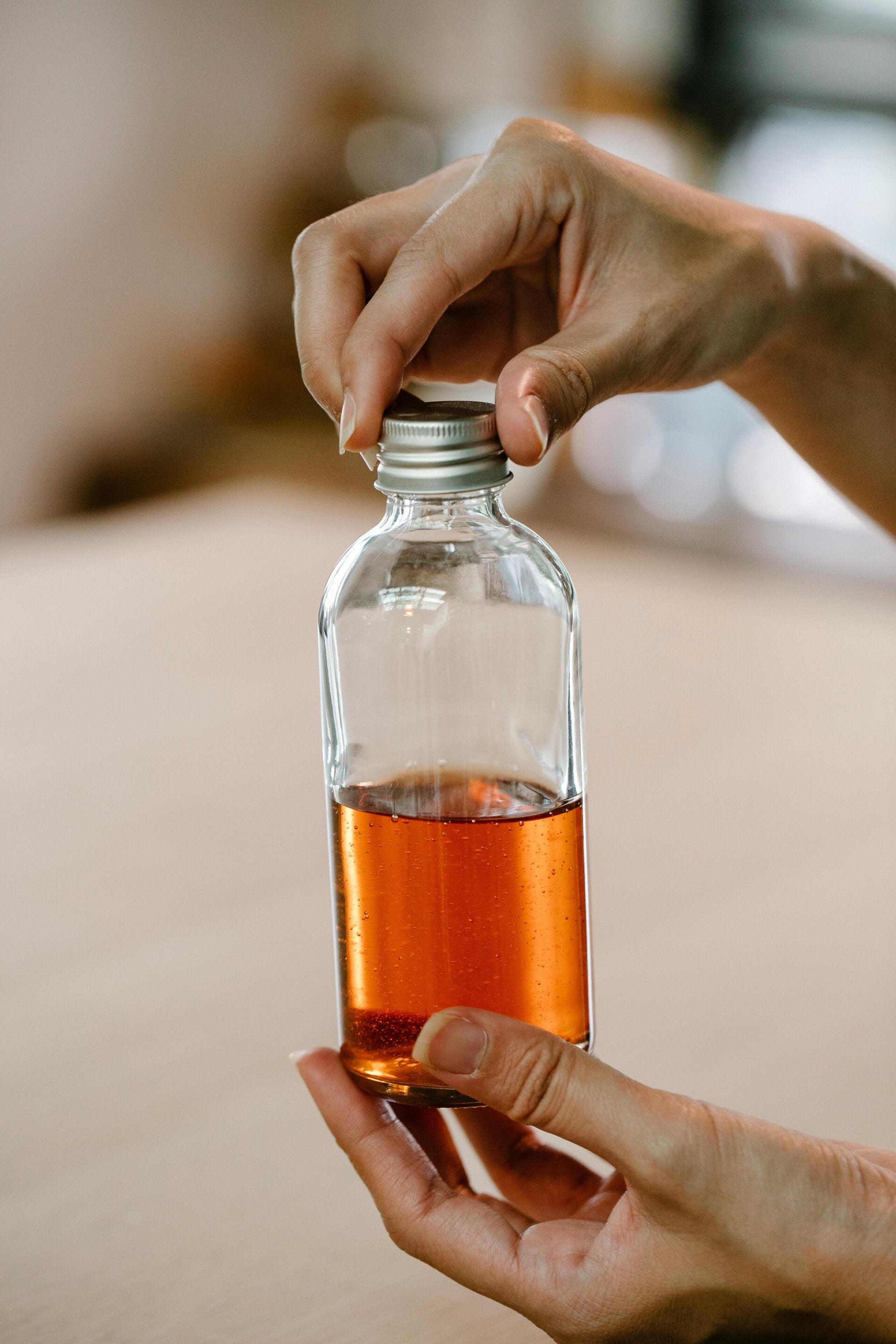
Crafting Your Own Herbal Mouthwash
We often reach for store-bought dental products without considering what is actually inside that bright blue or neon green liquid. Many commercial mouthwashes are packed with harsh alcohols, synthetic dyes, and artificial sweeteners that can disrupt the delicate microbiome of your mouth, sometimes causing more dryness and irritation than they solve.
Stepping into the world of botanical oral care is a simple, empowering shift. By utilizing the potent, time-tested properties of herbs, you can create a refreshing, effective mouthwash tailored exactly to your needs—all while keeping your routine free of unwanted chemicals.
The Power of Botanical Oral Care
Herbs have been used for centuries to support oral hygiene. Unlike synthetic formulas that simply mask odors, many plants offer active benefits:
- Antimicrobial Properties: Many herbs contain compounds that naturally help manage the bacteria responsible for plaque and bad breath.
- Soothing Inflammation: Certain botanicals are excellent at calming gums that might be tender or sensitive.
- Microbiome Support: By avoiding harsh antiseptics like alcohol, you preserve the good bacteria necessary for a balanced, healthy oral environment.
- Refreshing Sensation: Essential oils and aromatic herbs provide a clean, invigorating taste without the burning sensation often associated with alcohol-based products.
Key Herbs and Ingredients
Before brewing your first batch, it is helpful to understand the "stars" of your herbal mouthwash. You can mix and match these based on your flavor preferences and specific needs:
- Peppermint: The gold standard for freshness. It provides a cooling sensation and is naturally antimicrobial.
- Clove: Highly regarded for its ability to soothe gum discomfort and fight off harmful bacteria. Its flavor is warm and spicy.
- Tea Tree: A powerhouse for oral health. It is extremely effective against bacteria, though it has a strong, medicinal taste, so a little goes a long way.
- Calendula: Excellent for soothing inflamed or irritated gums. It is gentle and restorative.
- Sage: A traditional remedy for oral health, known for its astringent properties which can help tone the gum tissue.
- Xylitol (Optional): A natural sugar alcohol that is widely used in dental care because it inhibits the growth of bacteria that cause cavities.
Three Simple Recipes to Get You Started
These recipes are designed for a 1-cup (8-ounce) batch. Because these lack commercial preservatives, store your mouthwash in the refrigerator and use it within 7 to 10 days.
The Classic Refreshing Mint
Perfect for everyday use and long-lasting breath.
- 1 cup distilled water
- 2 drops peppermint essential oil
- 2 drops tea tree essential oil
- 1/2 teaspoon xylitol (optional)
The Soothing Gum Blend
Ideal for sensitive gums that need a little extra care.
- 1 cup warm water (steeped with 1 teaspoon dried calendula flowers and 1/2 teaspoon dried sage)
- Strain thoroughly through a coffee filter.
- Add 1 drop of clove essential oil.
The Spicy Clove & Cinnamon
A warming, deeply aromatic rinse that feels like a spa treatment.
- 1 cup distilled water
- 1 drop clove essential oil
- 2 drops cinnamon leaf essential oil (ensure it is "leaf" oil, as it is safer for mucous membranes than cinnamon bark oil)
How to Prepare and Use Your Mouthwash
Making your own rinse is simplicity itself.
Instructions:
- Preparation: If using dried herbs, steep them in hot water for 15–20 minutes to create a "tea." Strain this mixture carefully—ensuring no bits of plant matter remain—before adding any essential oils. If you are using only distilled water and essential oils, simply combine them in a clean glass bottle.
- Emulsification: Essential oils do not mix with water. Always give your bottle a vigorous shake before every single use to ensure the oils are dispersed.
- Application: Use as you would any other mouthwash. Take a small sip, swish it thoroughly around your mouth and between your teeth for 30–60 seconds, then spit it out.
Using Alcohol Instead
Substituting high-proof alcohol like vodka for water serves two major purposes: preservation and solubility.
Why Use Vodka?
- Extended Shelf Life: As mentioned in the previous recipes, water-based infusions are prone to bacterial and mold growth if not kept refrigerated or used within a week. High-proof alcohol (look for 80 proof/40% alcohol or higher) acts as a natural preservative, keeping your mouthwash shelf-stable at room temperature for much longer.
- Better Extraction: Alcohol is a solvent. When you steep herbs in vodka (a process known as making a tincture), it pulls the medicinal properties, volatile oils, and plant compounds out of the herb much more effectively than water alone.
- Solubility: Essential oils do not mix with water, which is why you have to shake a water-based mouthwash vigorously before every use. Alcohol helps keep the essential oils dispersed more evenly within the mixture.
How to Adjust Your Recipe
If you choose to use vodka, you have two primary ways to go about it:
The "Tincture" Method (The Long-Term Approach)
Instead of just mixing water and oil, you create a concentrated herbal base:
- Fill a clean glass jar about halfway with your dried herbs (like peppermint, sage, or calendula).
- Pour vodka over the herbs until they are completely covered by at least an inch.
- Seal the jar and let it sit in a cool, dark place for 2–4 weeks, shaking it daily.
- Strain the herbs out. You now have a concentrated herbal tincture.
- To use: Add 1–2 teaspoons of this tincture to 4 ounces of water for a single-use rinse, or mix a small amount into a larger bottle of water.
The "Direct Substitute" Method (The Quick Rinse)
If you want a ready-to-use mouthwash without waiting weeks, you can replace a portion of the water in the recipes provided earlier with vodka:
- The Ratio: A common ratio for a shelf-stable mouthwash is 1 part vodka to 3 or 4 parts water.
- Example: For an 8-ounce bottle, use 2 ounces (1/4 cup) of vodka and 6 ounces (3/4 cup) of water, then add your essential oils.
- Note: The alcohol content here is lower than a full tincture, but the alcohol will still help disperse the essential oils and significantly extend the shelf life compared to water alone.
A Few Important Considerations
- Sensitivity: Alcohol can be drying to the oral mucosa. If you find the mouthwash feels too "sharp" or drying to your gums, simply increase the ratio of water to vodka until it reaches a strength that feels comfortable for you.
- Quality Matters: Use a clean, neutral-tasting vodka. You don't need a top-shelf spirit, but ensure it is plain, unflavored, and high-proof.
- Alcohol-Free Alternatives: If you prefer to avoid alcohol entirely but still want a longer shelf life, some herbalists use vegetable glycerin. It acts as a humectant (moisturizer) and helps preserve the blend, though it doesn't extract herbal properties as efficiently as alcohol.
A Note on Safety
Essential oils are highly concentrated. Always use high-quality, food-grade oils from reputable sources. Never swallow your mouthwash, and if you are pregnant, nursing, or treating a specific medical condition, consult with a professional before incorporating new essential oils into your regimen.
By making your own mouthwash, you are taking a small but significant step toward a more natural lifestyle. It is a ritual that respects your body’s chemistry while keeping your smile bright and your breath naturally fresh. What herb will you experiment with first in your next batch?
Add comment
Comments