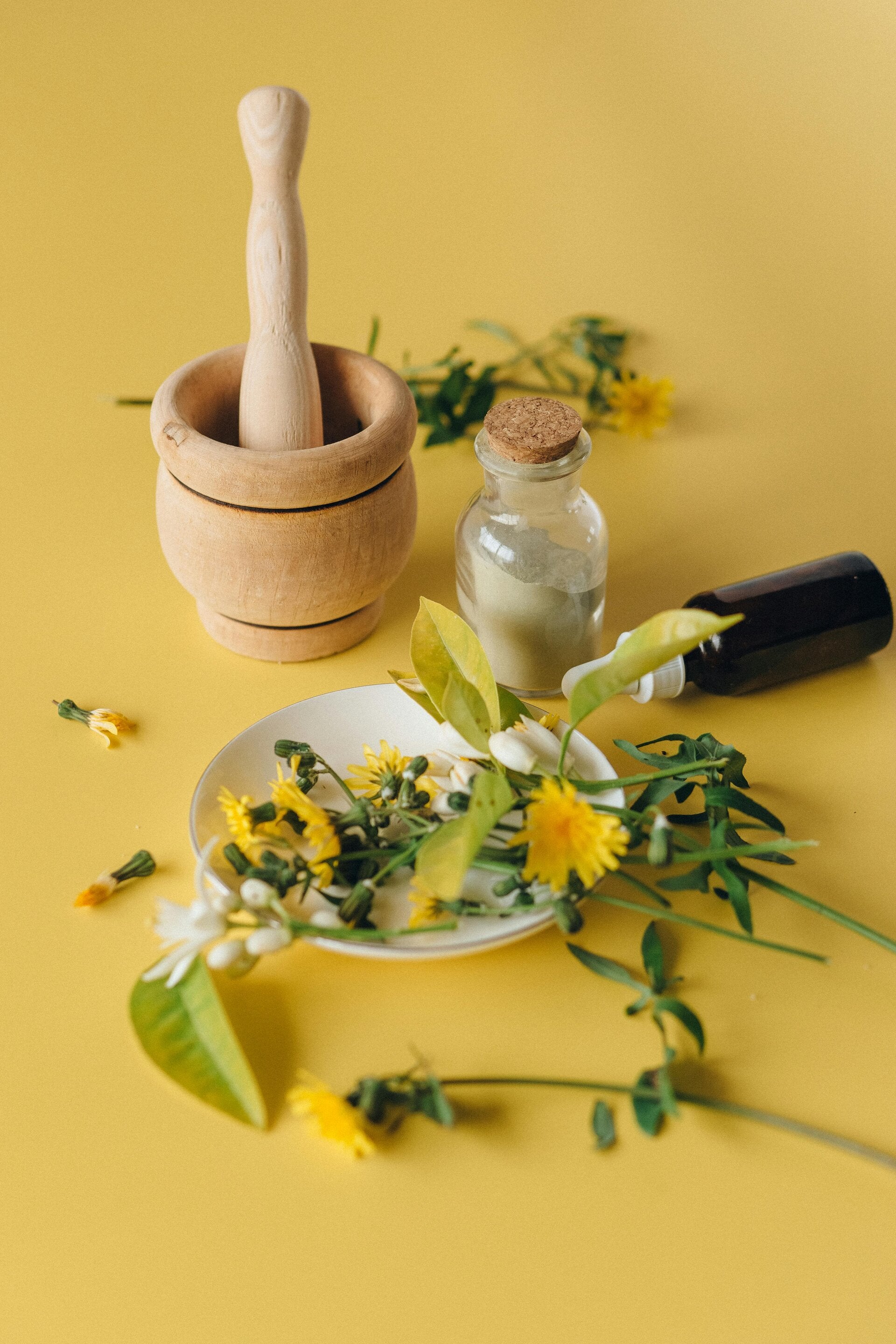
The Garden Pharmacy On Your Plate: Discovering the Top 3 Healing Edible Flowers
During this last snowstorm, I spent some time sorting my seeds and planning my garden for the coming year. One thing I thought about was, since my garden now is space-restricted, how can I pack it with the most punch? I love flowers. But what flowers can I have that do double or even triple duty? Not just to admire the view, but to harvest for dinner and for medicine.
For centuries, before the advent of modern pharmacies and grocery chains, the line between "food," "beauty," and "healing" was beautifully blurred. Flowers were not merely ornamental; they were essential components of culinary arts and traditional herbal medicine.
Today, we are seeing a renaissance of this ancient knowledge. We are remembering that nature often packages potent healing compounds in vital, vibrant colors. It’s about accessing a unique spectrum of phytonutrients, antioxidants, and gentle medicinal properties that can support daily wellness.
However, the world of edible flowers is vast. Where do you begin? Which blooms offer the best combination of flavor, ease of growing, and genuine health benefits?
I’ve narrowed it down to three powerhouses of the edible flower world. These aren't rare, finicky orchids; they are robust, common garden friends that offer profound healing benefits. Let’s explore the medicinal magic and culinary potential of Nasturtium, Calendula, and Lavender.
A Vital Note on Safety Before You Graze
Before we dive into the flowers, we must establish the golden rules of eating blooms.
- Identity is Everything: Never eat a flower unless you are 100% certain of its identification. If in doubt, leave it out.
- Organic Only: Do not eat flowers from florists, nurseries, or roadsides. They are often heavily treated with pesticides not meant for human consumption. Only eat flowers you have grown organically yourself or sourced from a certified organic edible flower grower.
- Start Small: Even edible flowers can cause reactions in sensitive individuals. Introduce new flowers slowly into your diet.
1. Nasturtium (Tropaeolum majus): The Peppery Immune Booster
If you want a flower that thrives on neglect and rewards you with an explosion of color and flavor, look no further than the nasturtium. With their distinct lily-pad leaves and vibrant, trumpet-shaped blooms in shades of sunset orange, fiery red, and buttery yellow, nasturtiums are the extroverts of the garden.
But their beauty hides a fiery punch. Nasturtiums are unique in the floral world because they are savory, not sweet. They possess a distinct, peppery bite reminiscent of watercress or radishes, which is your first clue to their medicinal potency.
How It Heals
Nasturtium was traditionally used in Andean herbal medicine as a disinfectant and expectorant. Modern nutritional analysis backs up this ancient wisdom.
The defining characteristic of nasturtium’s healing power lies in its high concentration of Vitamin C and mustard oil glycosides (glucosinolates). These compounds are natural antibiotics, antifungals, and antivirals.
When you chew a nasturtium leaf or flower, you release these compounds, which is why it feels zingy in your mouth, throat, and sinuses. This makes nasturtium an incredible ally during cold and flu season. It helps stimulate the immune system, break up congestion in the respiratory tract, and soothe sore throats due to its antimicrobial action. It is essentially a tasty, beautiful, natural antibiotic that you can grow on your windowsill.
How To Use It
Every part of the nasturtium plant above ground is edible—the leaves, the flowers, and even the green seed pods.
- The Salad Spark: The easiest way to use them is raw. The flowers make stunning garnishes, but don't just leave them on the side of the plate. Toss whole flowers and chopped leaves into a green salad to add a spicy kick that replaces the need for heavy pepper.
- Healing Pesto: Substitute half of the basil in your favorite pesto recipe with nasturtium leaves and flowers. The resulting bright green sauce is packed with immune-boosting properties, perfect for tossing with pasta or slathering on toast when you feel a cold coming on.
- Poor Man’s Capers: When the flowers fade, they leave behind green seed pods. Collect these while they are still firm. You can pickle them in vinegar and brine. The result is a crunchy, spicy condiment that serves as an excellent homegrown substitute for traditional capers.
2. Calendula (Calendula officinalis): The Golden Gut Soother
Often called "Pot Marigold" (though not related to the common garden marigold of the Tagetes genus), Calendula is sunshine incarnate. It grows easily, producing scores of bright orange and yellow blossoms that seem to radiate warmth.
Calendula is perhaps best known in the herbal world for skin repair when used topically in salves. However, its internal uses are just as profound, particularly concerning digestive and lymphatic health.
How It Heals
If you touch the center of a calendula flower, you might notice your fingers feel slightly sticky. That resin contains powerful anti-inflammatory, antiviral, and antifungal properties.
Internally, calendula acts as a vulnerary—a healer of wounds—for the mucous membranes lining your digestive tract. It is exceptionally soothing for issues like leaky gut, inflammatory bowel issues, or just general digestive upset. It helps repair the gut lining and reduce systemic inflammation.
Furthermore, calendula is a gentle lymphatic stimulant. It helps the body's drainage system get moving, aiding in detoxification and supporting overall immune function during lingering illnesses.
How To Use It
While the whole flower head is edible, the green base can be quite bitter. For culinary use, it is best to pluck the vibrant petals ("rays") from the center head.
- The "Poor Man’s Saffron": Calendula petals have been used for centuries as a coloring agent. While they don't impart the distinct flavor of saffron, they will dye rice, broths, and butters a beautiful golden hue. Stir fresh or dried petals into a simmering pot of chicken or vegetable soup to add anti-inflammatory benefits and a sunny color.
- Gut-Healing Tea: This is the most direct way to access its medicine. Dry the whole flower heads during the summer. In the winter, steep a tablespoon of dried flowers in hot water for 15 minutes. The tea is mildly earthy and slightly bitter; a little honey makes it delicious. Drinking this regularly supports gut wall integrity.
- Salad Confetti: Fresh calendula petals have a mild, slightly tangy flavor. Sprinkle a handful over any savory dish—from eggs to roasted vegetables—for an instant nutritional upgrade and a burst of joy.
3. Lavender (Lavandula angustifolia): The Culinary Calm
Lavender needs little introduction. Its iconic grey-green foliage and purple spikes are legendary for their scent. Most people associate lavender with bath bombs, essential oils, and sleep sachets. Yet, lavender is an incredibly versatile culinary herb that brings its famous calming properties from the palate to the nervous system.
How It Heals
The medicinal magic of lavender resides in its volatile oils, primarily linalool and linalyl acetate. These compounds are responsible for that immediately recognizable aroma, which has a direct physiological effect on the brain.
Ingesting lavender acts as a mild nervine and anxiolytic (anti-anxiety agent). It soothes the central nervous system, helping to reduce stress, ease tension headaches, and promote restful sleep. Furthermore, like many aromatic mint-family plants, lavender is a carminative, meaning it helps settle the stomach, reduce bloating, and ease digestive spasms that are often rooted in stress.
Eating lavender is a way to gently ingest calm.
How To Use It
The key to cooking with lavender is restraint. A little goes a long way. Too much, and your food will taste soapy or like perfume. You want a hint of floral flavor, not a mouthful of potpourri. Ensure you are using "culinary lavender" varieties, like English Lavender (Lavandula angustifolia), which are sweeter and less camphor-like than ornamental varieties.
- Infused Honey or Syrup: This is the gateway to lavender consumption. Gently warm honey or a simple sugar syrup with a tablespoon of dried lavender buds, let it steep for an hour, and strain. Drizzle this calming honey into chamomile tea before bed, or use the syrup to sweeten lemonade for a relaxing summer treat.
- The Baking Companion: Lavender has an affinity for fats and sugars. Grind a small teaspoon of dried buds with sugar and use it in shortbread cookies, scones, or pound cake recipes. The floral notes pair beautifully with lemon and vanilla.
- Savory Herbs de Provence: Lavender isn't just for sweets. It is a traditional component of the French spice blend Herbes de Provence. Try adding a small pinch of dried blossoms to thyme, rosemary, and oregano when roasting chicken, potatoes, or hearty root vegetables for a sophisticated, calming aroma.
I decided that I will focus on these versatile flowers to add to my landscape. Think about your needs and what flowers will fill them if you are tight on space, time or dollars. Make each plant bring not only beauty but usefulness. And enjoy your beautiful, yet useful garden.
Add comment
Comments