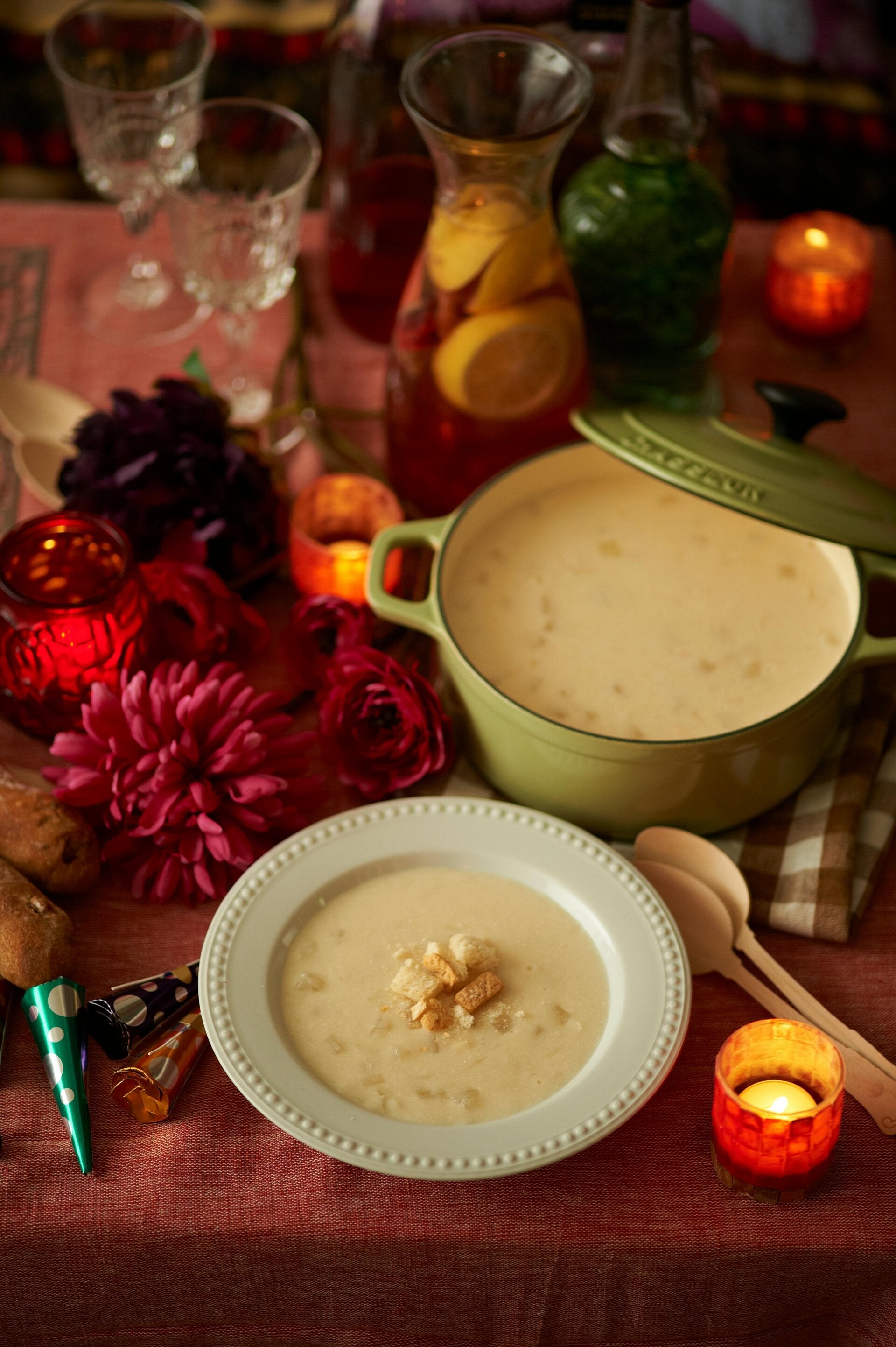
Here’s a simple, cozy recipe for herbal biscuits and hot soup that anyone can pull off, and it will warm you up on a cold winter day. The biscuits are tender, aromatic, and perfect with butter or honey, and add a hot, hearty soup to make it even better!
Easy Herbal Biscuits and Soup
Biscuits
Ingredients
- 2 cups all-purpose flour
- 1 tablespoon baking powder
- ½ teaspoon salt
- 1 tablespoon sugar (optional, but it rounds the flavor)
- ½ cup cold butter, cut into small cubes
- ¾ cup milk (or buttermilk for extra tenderness)
- 1–2 teaspoons dried herbs of your choice, such as:
- rosemary
- thyme
- basil
- oregano
- sage
- or a blend
Instructions
- Preheat your oven to 425°F (220°C).
- Mix dry ingredients: In a bowl, whisk together flour, baking powder, salt, sugar, and your chosen herbs.
- Cut in the butter: Add the cold butter cubes and use your fingers or a pastry cutter to work it into the flour until it looks like coarse crumbs.
- Add the milk: Pour in the milk and stir just until the dough comes together. Don’t overmix—this keeps the biscuits tender.
- Shape the dough: Turn the dough onto a lightly floured surface. Pat it into a ¾‑inch thick round. Cut into circles with a biscuit cutter or simply slice into squares.
- Bake: Place biscuits on a baking sheet and bake for 12–15 minutes, until golden on top.
- Serve warm with butter, honey, or a drizzle of olive oil.
Cozy Rustic Cream Soup
A velvety, herb‑kissed soup with mushrooms, potatoes, and a hint of lemon.
A Little History
By the 17th and 18th centuries, potatoes had become a dietary cornerstone across Europe, especially in regions like Ireland, Germany, and Eastern Europe. As the potato gained acceptance, rustic potato soups developed naturally as affordable, filling meals for rural families. These early soups were simple—often just potatoes, onions, herbs, and broth—but they were valued for their ability to sustain communities during harsh winters and periods of scarcityansoup.com. Over time, each region added its own touches, from smoky meats in Eastern Europe to more refined versions in France.
When European immigrants brought their culinary traditions to the United States, potato soup evolved again. American variations blended Old World techniques with local ingredients, eventually giving rise to creamy diner-style soups, chowder-like versions, and hearty Midwestern interpretations. Today, potato soup remains beloved worldwide for its comfort, adaptability, and deep cultural roots—a dish shaped not by a single inventor, but by centuries of resourcefulness and shared human experience
🧄 Ingredients
- 2 tablespoons butter
- 1 tablespoon olive oil
- 1 medium onion, diced
- 2 cloves garlic, minced
- 2 cups sliced mushrooms (cremini or mixed)
- 2 medium potatoes, peeled and diced
- 1 large carrot, diced
- 1 teaspoon dried thyme
- ½ teaspoon dried sage
- ½ teaspoon dried rosemary
- 4 cups vegetable or chicken broth
- ½ cup cream or half‑and‑half
- 1 teaspoon lemon zest
- Salt and pepper to taste
- Optional: a handful of spinach or kale, chopped
- Optional garnish: fresh parsley, cracked pepper, a drizzle of olive oil
Instructions
- Sauté the aromatics Heat butter and olive oil in a pot over medium heat. Add onion and cook until soft and translucent. Stir in garlic and cook for 30 seconds.
- Build the flavor base Add mushrooms and cook until they release their moisture and begin to brown. Sprinkle in thyme, sage, and rosemary.
- Add the veggies Stir in potatoes and carrots. Cook for 2–3 minutes to coat them in the herbs and aromatics.
- Simmer Pour in the broth. Bring to a gentle boil, then reduce heat and simmer for 20 minutes, or until potatoes are tender.
- Blend (optional but magical) For a creamy, cozy texture, blend about half the soup using an immersion blender. Leave some chunks for rustic charm.
- Finish with richness Stir in cream and lemon zest. Add spinach or kale if using and let it wilt. Season with salt and pepper.
- Serve warm Ladle into bowls and top with parsley or a swirl of olive oil. Pair with your herbal biscuits while they’re still warm.
Add comment
Comments