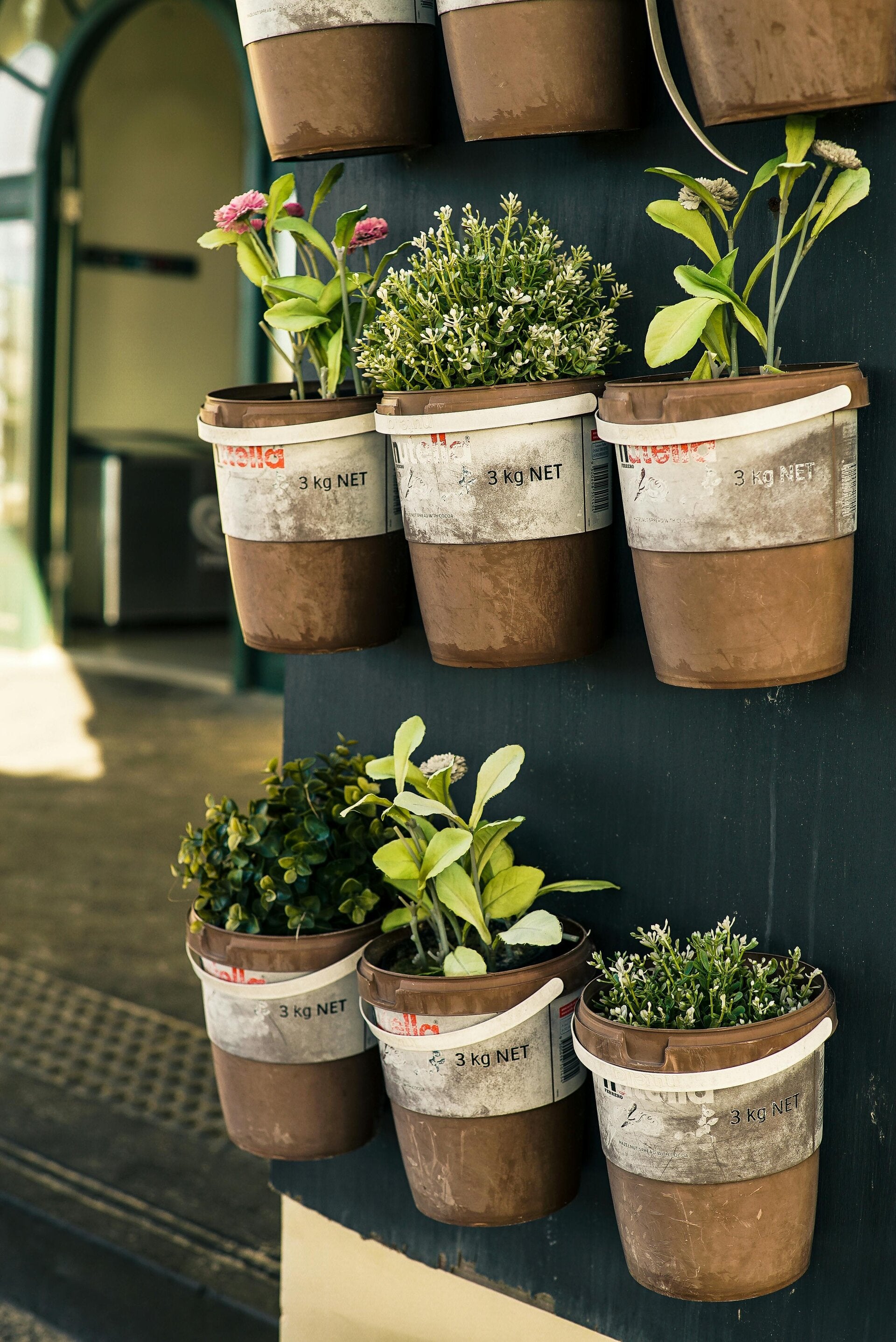
Easiest Herbs to Grow Alongside Your Sprouts
If you have already mastered the art of the sprouting jar, as we discussed last week, you have already conquered the hardest part of indoor gardening: the routine. Sprouting requires daily attention, and once that habit is set, transitioning to a windowsill herb garden is a natural next step. While sprouts provide the "crunch" and a concentrated burst of enzymes, fresh herbs provide the aromatic "soul" of a dish.
The beauty of a kitchen windowsill garden is the proximity. When you are standing at the cutting board, having a living larder within arm's reach changes how you cook. It encourages a more "herb-forward" approach, where plants are used as primary ingredients rather than just a garnish.
Here are the four easiest, most rewarding herbs to grow in your kitchen right alongside your sprouts.
1. Chives (Allium schoenoprasum)
Chives are perhaps the most forgiving plant for an indoor environment. They don’t mind the slightly lower light levels of a kitchen and are incredibly hardy.
• The Benefit: They offer a delicate onion and garlic flavor without the high-carbohydrate density of a full onion bulb.
• Kitchen Use: Snip them directly over eggs, salmon, or avocado salads. Because they are thin, they require no heavy chopping—just a pair of kitchen shears.
2. Mint (Mentha)
Mint is notorious for being "invasive" in an outdoor garden, but in a small pot on a windowsill, that vigor is exactly what you want. It grows fast and can handle a bit of over-watering if you’re heavy-handed with the watering can.
• The Benefit: Excellent for digestive support and adding a refreshing note to water or herbal teas.
• Kitchen Use: Muddle it into cold water or toss it into a fresh cucumber and sprout salad for a bright, cooling contrast.
3. Basil (Ocimum basilicum)
Basil is the "sun-worshipper" of the group. If you have a south-facing window that gets plenty of light, basil will thrive. It’s a fast grower that rewards frequent harvesting; the more you pinch off the top leaves, the bushier and more productive the plant becomes.
• The Benefit: High in antioxidants and essential oils like eugenol, which has natural anti-inflammatory properties.
• Kitchen Use: It pairs perfectly with the "sprout boats" mentioned previously or can be blended with olive oil and garlic for a quick, fresh pesto.
4. Parsley (Petroselinum crispum)
Often relegated to a decorative sprig, parsley is actually a nutritional powerhouse. It is essentially a "multivitamin in a leaf." It takes a bit longer to germinate from seed, so starting with a small "nursery" plant is a great shortcut for the kitchen gardener.
• The Benefit: Extremely high in Vitamin K, Vitamin C, and potassium.
• Kitchen Use: Use it by the handful. Chop it finely and fold it into egg salads or use it as a base for a green chimichurri sauce to serve over proteins.
The Synergy of Sprouts and Herbs
Growing these two together creates a complete "living food" station. While your sprouts are developing in their dark corner or angled jar, your herbs are soaking up the light. Together, they provide everything you need to transform simple proteins—like eggs or fish—into nutrient-dense, flavorful meals without the need for processed seasonings.
Keep your pots small, ensure they have proper drainage, and remember: if you can remember to rinse your sprouts, you can remember to water your herbs…fingers crossed!
Add comment
Comments