Peppermint’s Medicinal Power… and A Tincture
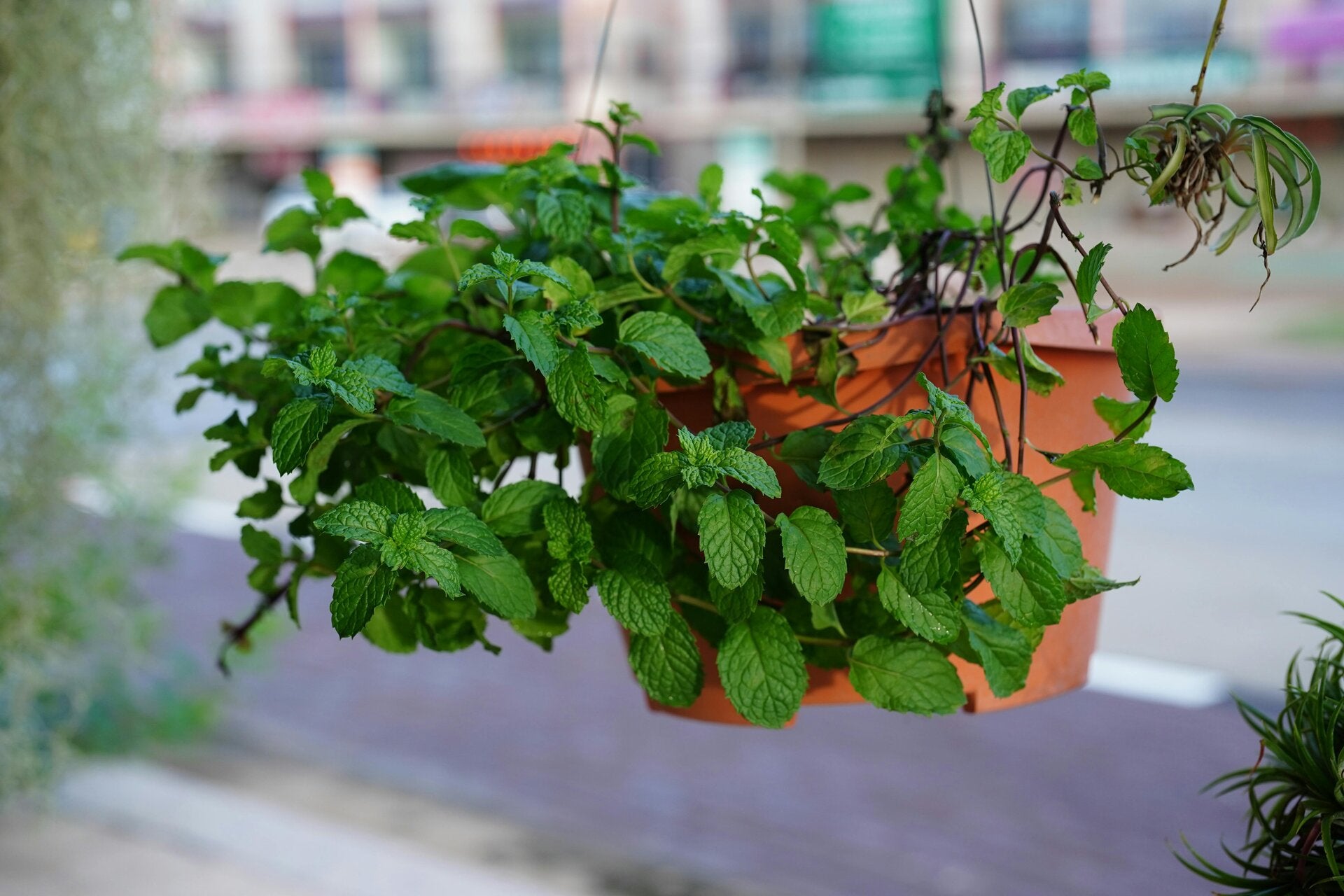
Guess what I saw on my porch this morning? Tiny green peeping out of the pot my Peppermint plants were in last year. If your peppermint plant is already waking up and showing off in its pot, you are in for a treat! Peppermint (Mentha x piperita) isn't just a garnish for your tea or a flavor for your toothpaste; it is a powerhouse of botanical medicine that deserves a permanent spot in your home apothecary. And as soon as the plant is bushy and full, you can plan to dive in making your first home remedy of the season.
In this deep dive, we’re going to explore the modern science behind this cooling herb, its wide range of therapeutic uses, and a step-by-step guide to creating your own high-potency peppermint tincture.
The Science of the "Cool": Why Peppermint Works
Peppermint is a natural hybrid of watermint and spearmint, and its medicinal heavy hitter is a compound you likely know well: menthol. This volatile oil is responsible for that signature cooling sensation and the herb's incredible ability to soothe various ailments.
When we look at peppermint through a botanical lens, we see a complex profile of:
Menthol & Menthone: The primary active constituents.
Rosmarinic Acid: A potent antioxidant.
Flavonoids: Like luteolin and hesperidin, which support the immune system.
These compounds work together to provide antispasmodic, carminative (gas-relieving), and analgesic (pain-killing) effects. Let’s look at how we can put those properties to work!
1. The Digestive Dynamo
Peppermint is perhaps most famous for its ability to calm the "storm" in the gut. It is a world-class carminative, meaning it helps the digestive system expel gas and eases bloating.
IBS Relief: Clinical studies have shown that peppermint oil can be as effective as some pharmaceutical antispasmodics for managing Irritable Bowel Syndrome. It works by relaxing the smooth muscles of the intestines, preventing those painful cramps that come after a heavy meal.
Bile Flow: Peppermint stimulates the flow of bile, which helps your body break down fats more efficiently. If you’ve ever felt "sluggish" after a rich dinner, a dose of peppermint is your best friend.
2. The Tension Tamer
Ever feel a headache coming on after a long day of writing or crafting? Peppermint is an excellent nervine and topical analgesic.
Headache Relief: When applied topically (diluted) or taken as a tincture, peppermint helps increase blood flow and provides a cooling distraction to the nerves. It is specifically helpful for tension-type headaches that feel like a tight band around the head.
Mental Clarity: The scent alone is enough to wake up the brain! It’s a natural stimulant that improves focus and reduces mental fatigue without the "crash" associated with caffeine.
3. Respiratory Support
If spring allergies are starting to kick in, peppermint is a fantastic decongestant. The menthol acts as an expectorant, helping to thin mucus and open up the airways. It’s a must-have for anyone dealing with a stuffy nose or a "heavy" chest feeling.
4. Antimicrobial Might
Peppermint doesn't just smell clean—it is clean. It possesses significant antibacterial and antiviral properties. This makes it a great addition to your wellness routine during cold and flu season or as a natural way to support oral health.
How to Make a Potent Peppermint Tincture
While peppermint tea is lovely, a tincture (an alcohol-based extract) is the best way to pull out the volatile oils and preserve them for years. It’s concentrated, portable, and incredibly effective.
What You’ll Need:
Fresh Peppermint Leaves: Enough to loosely fill your jar. (Fresh is best for peppermint to capture those volatile oils!)
Alcohol (The Menstruum): 80 to 100-proof vodka or brandy. This acts as the solvent that pulls the medicine out of the plant.
A Clean Glass Jar: A mason jar with a tight-fitting lid.
Cheesecloth or a Fine Mesh Strainer.
Amber Glass Dropper Bottles: For long-term storage.
The Step-by-Step Process
Step 1: Harvest and Prep
Pick your peppermint in the morning after the dew has dried but before the sun is too hot. This is when the oils are most concentrated. Give them a quick rinse and pat them dry. Roughly chop the leaves—this "bruising" breaks the cell walls and allows the alcohol to penetrate the plant material more easily.
Step 2: The "Folk Method" Packing
Fill your glass jar about 2/3 to 3/4 full with the chopped leaves. Don’t pack them so tight that they can’t move, but you want a good amount of plant material in there.
Step 3: Add the Menstruum
Pour your vodka or brandy over the leaves until they are completely submerged. You want at least an inch of extra alcohol above the leaves. Use a clean knife or chopstick to poke around and release any trapped air bubbles.
Step 4: The Maceration (The Long Wait)
Seal the jar tightly and label it with the herb name, the date, and the type of alcohol used. Place the jar in a cool, dark place (like a kitchen cabinet). Shake the jar every day (or as often as you remember) for 4 to 6 weeks. This keeps the plant material in contact with the solvent.
Step 5: The Pressing
After 6 weeks, your alcohol should be a beautiful, deep green. Place your cheesecloth over a clean bowl and pour the contents of the jar through it. Squeeze that cheesecloth with all your might! You want to get every single "medicinal drop" out of those leaves.
Step 6: Bottling and Storage
Transfer your finished tincture into amber glass dropper bottles. Store them in a cool, dark place. A well-made tincture can last 3–5 years!
How to Use Your Peppermint Tincture
For Digestion: Add 1–2 droppers (about 30–60 drops) to a small glass of water after meals.
For Headaches: Rub a drop (diluted in a carrier oil) onto your temples, or take a dropper-full internally to help relax tension.
For Energy: Add a few drops to your morning water for a refreshing, brain-brightening boost.
A Quick Safety Note
Peppermint is very safe for most people, but there are a few things to keep in mind:
GERD/Heartburn: Because peppermint relaxes the sphincter between the esophagus and the stomach, it can actually make heartburn worse for some people.
Infants: Avoid using strong peppermint products (especially the essential oil) near the faces of infants or very young children, as the menthol can occasionally cause breathing spasms.
Your peppermint plant is more than just a survivor of the winter; it’s a living pharmacy! By making a tincture now, you’re capturing the vibrant energy of spring and turning it into a shelf-stable medicine that can support your family's health all year long. It is the first step to creating your herbal medicine chest this year.
Add comment
Comments